
 SwitchMar 08, 2026
A Full Pokemon Story Explained Guide Covering Canon Structure, Region Continuity, Legendary Lore, Team Villains, And How The Mainline Timeline Fits Together.
Pokemon’s story is deceptively simple on the surface:
Kid leaves home.
Catches monsters.
Beats gym leaders.
Stops local crime syndicate.
Becomes Champion.
Then you look closer and realize every region has its own mythology, history, and “ancient power nearly destroyed everything” incident.
This guide explains how Pokemon canon works, how generations connect, and what the franchise’s long-term story theme actually is.
Across mainline games, the narrative structure usually follows this pattern:
This loop is why Pokemon feels familiar across generations while still allowing each region to tell a different kind of story.
Short answer: yes, but softly.
Pokemon does have shared-world continuity, but it is not strict in a way that blocks newcomers. Most mainline games feature new protagonists and self-contained regional arcs.
What connects the universe:
So you can jump into almost any generation without homework, then connect deeper lore later if you want.
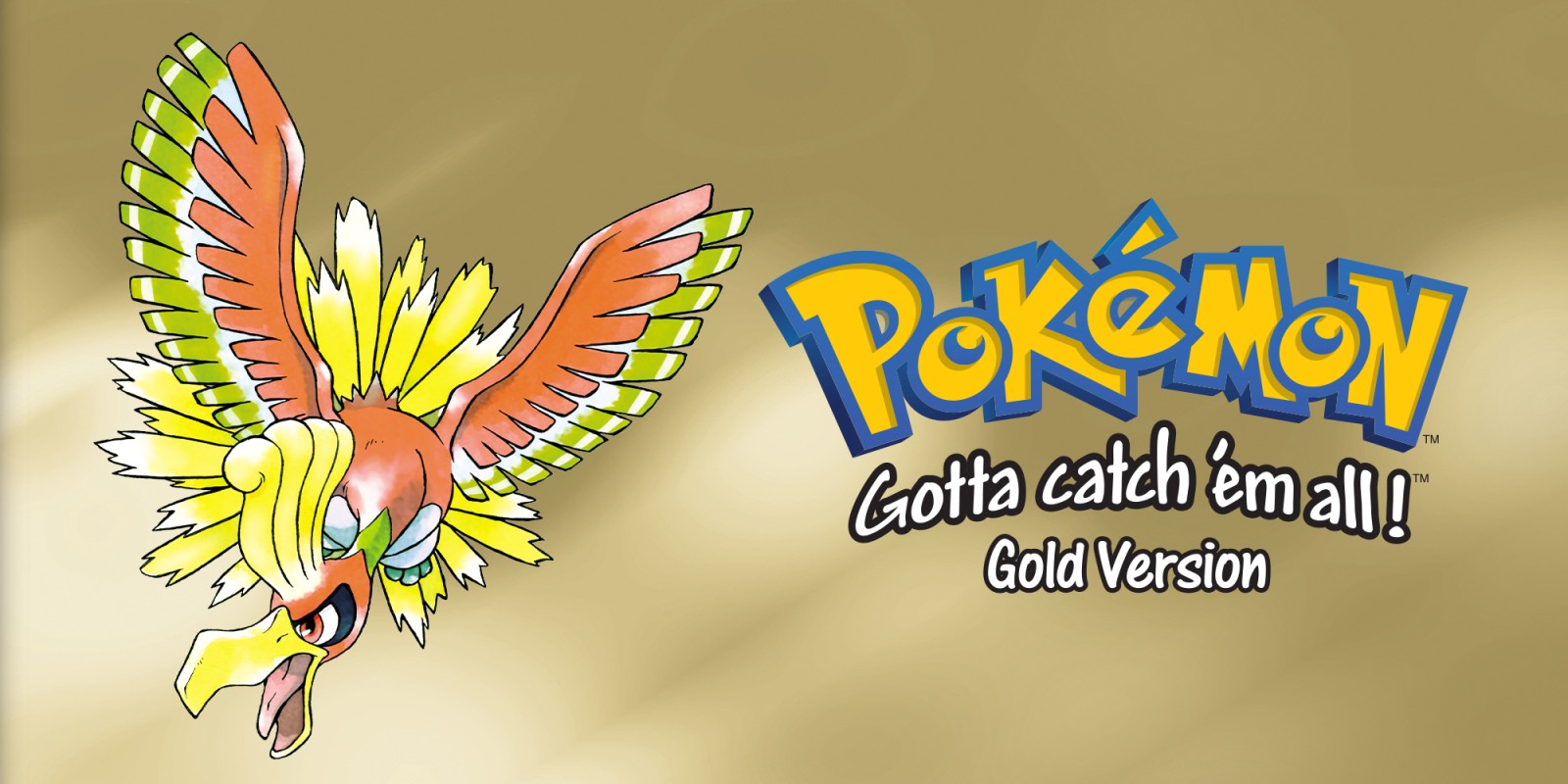
The early generations establish the structure every future generation adapts.
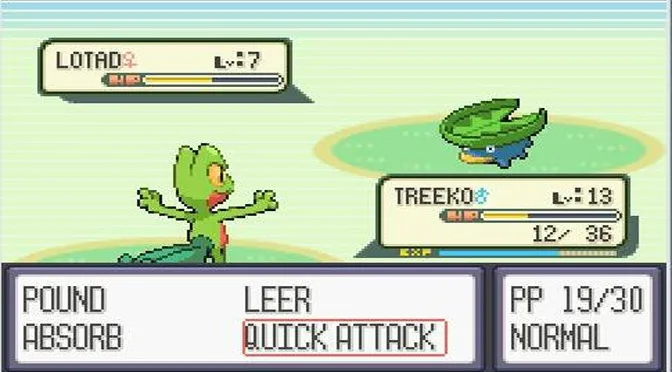
This is where Pokemon shifts from “adventure RPG with monster battles” into “regional mythology and crisis management with monster battles.”
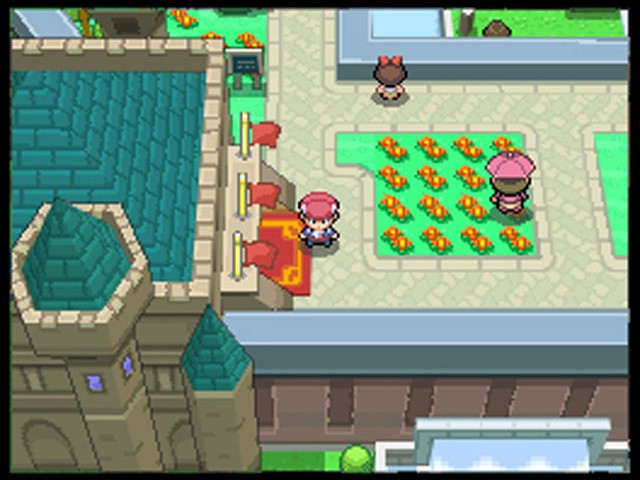
This middle era increases narrative ambition.
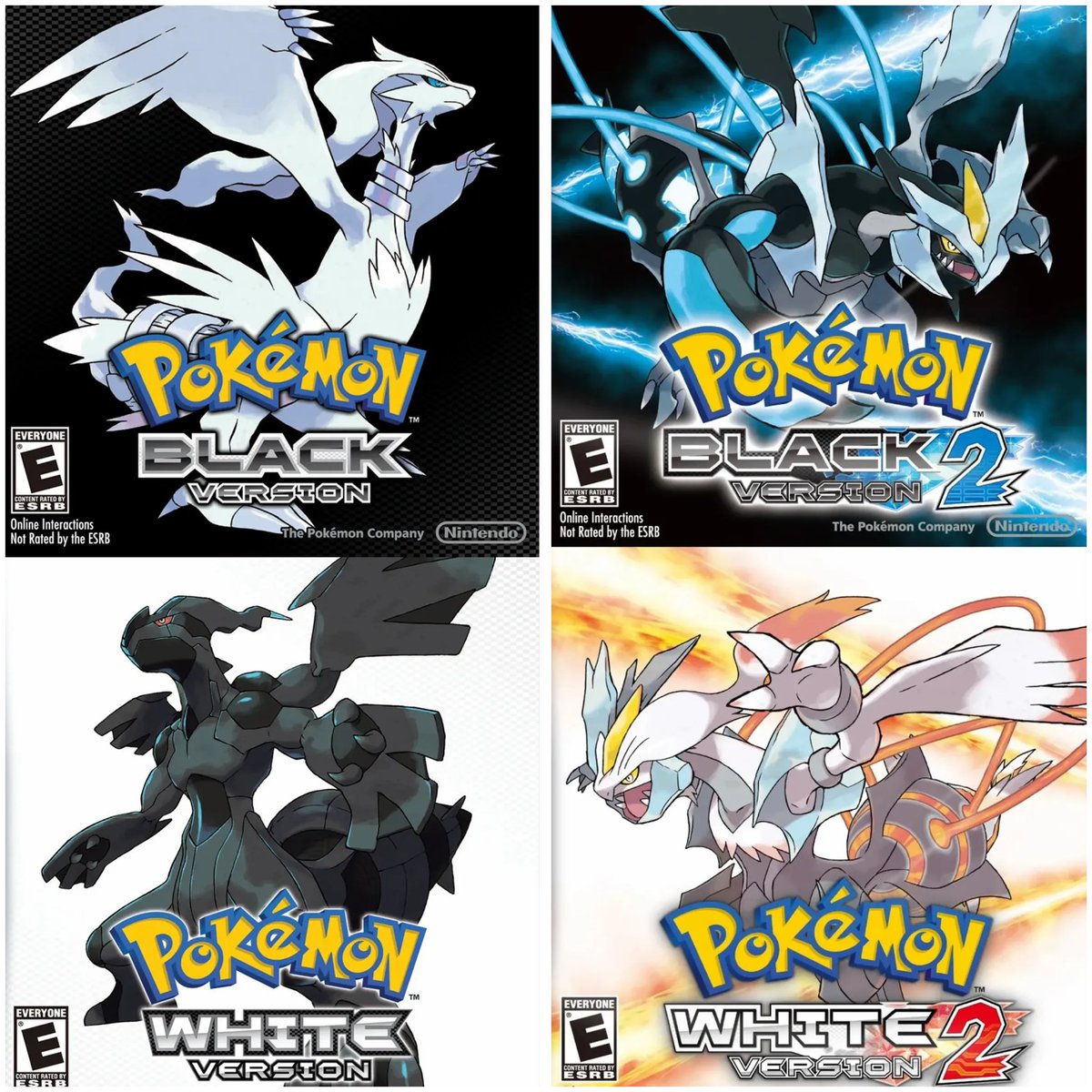
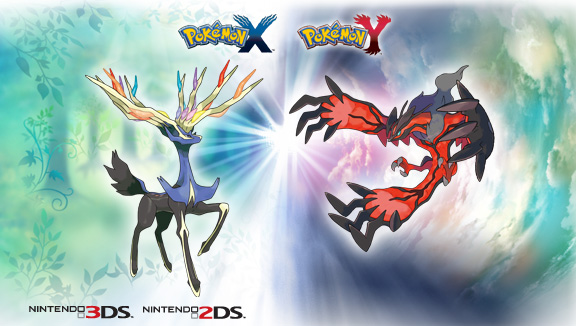
Pokemon still keeps its accessible format, but this era proves it can carry heavier thematic material when it wants to.
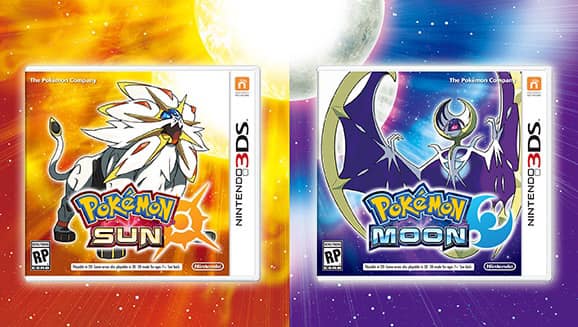
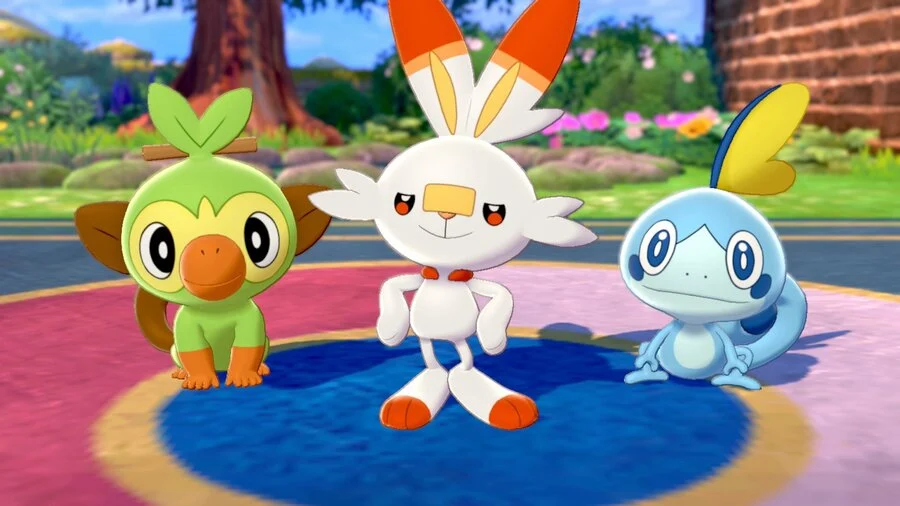
Modern Pokemon leans harder into layered route structures and personal arcs.
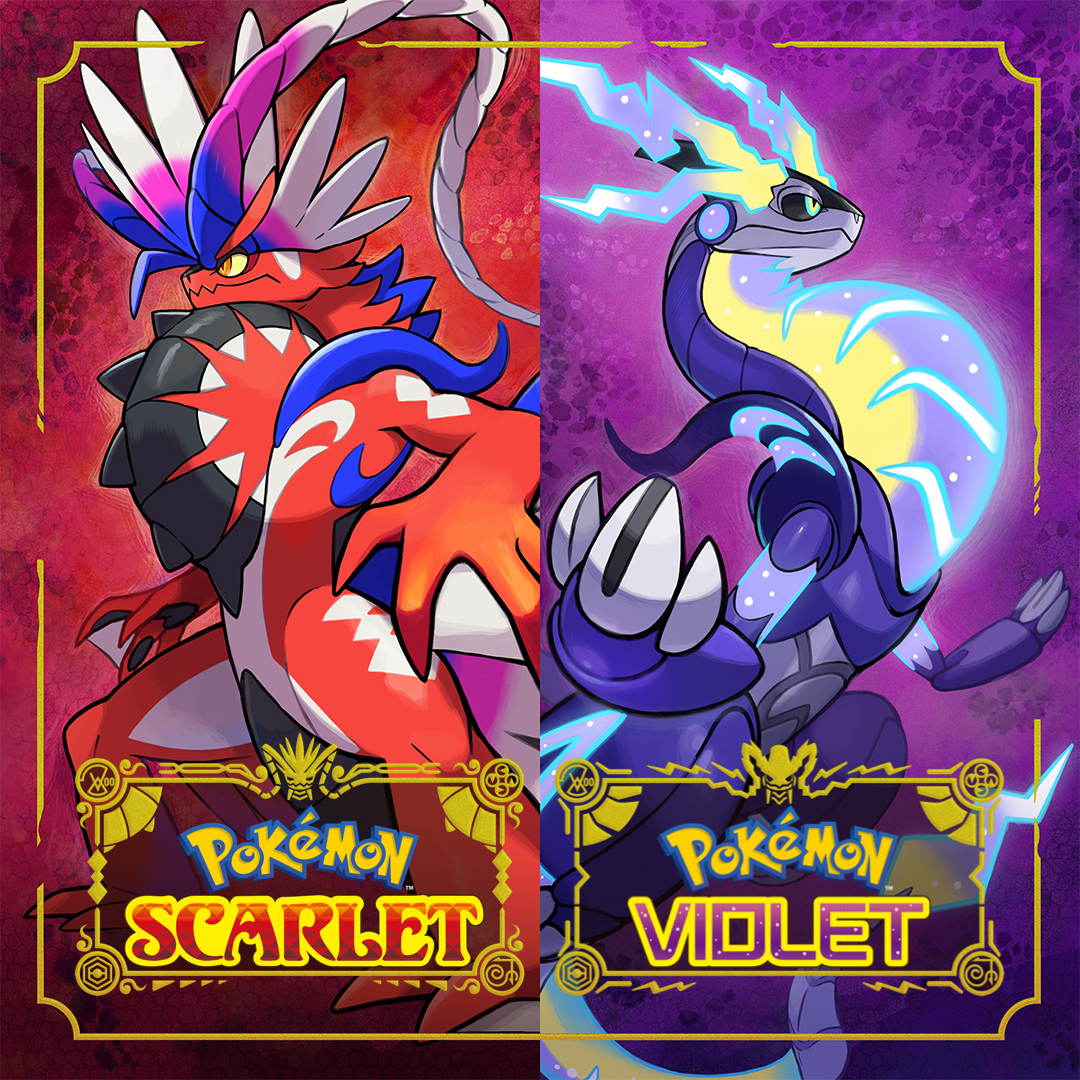
The biggest evolution here is not just map design. It is emotional pacing. Recent entries spend more time on character relationships and post-journey consequence beats.
Legendary Pokemon are not just rare collectibles. They anchor each generation’s thematic conflict.
Common legendary roles:
Pokemon’s repeating warning is consistent:
when humans try to control power they do not understand, balance breaks.
Yes, this keeps happening.
No, villain teams do not seem to learn from previous villain teams.
Pokemon villains evolved from straightforward organized crime to more ideological groups.
General progression:
This shift mirrors the franchise’s narrative growth. Conflicts become less “stop cartoon criminals” and more “resolve regional systems-level imbalance with human emotional roots.”
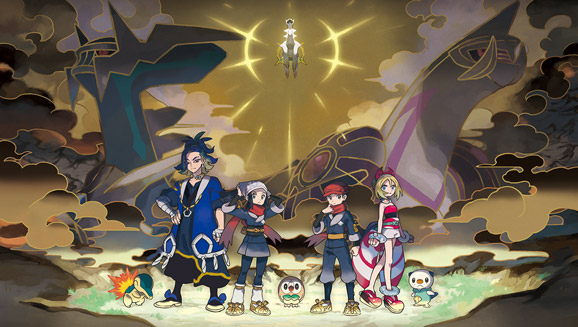
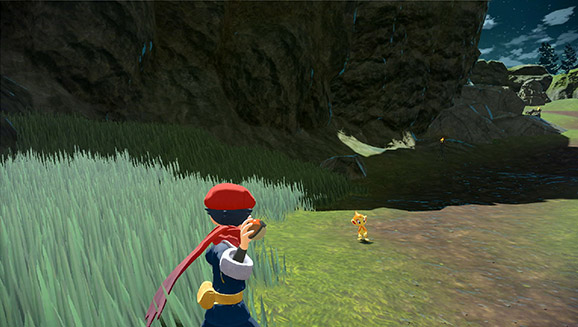
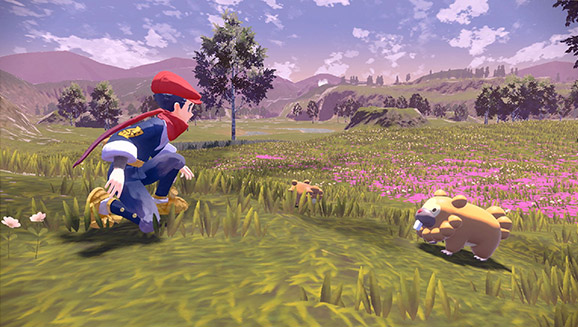
Legends Arceus is set far in the past of Sinnoh/Hisui and explores earlier stages of human-Pokemon coexistence.
Story significance:
It is not required to understand every mainline plot, but it deepens one of Pokemon’s most myth-heavy timelines.
Under all the badges and battle systems, Pokemon’s long-term narrative is about:
That is why the formula survives generation after generation. The details change. The core values do not.
Pokemon is a shared world with soft continuity, not one strict linear saga.
Each generation stands on its own.
Regional mythology adds deeper lore.
Legendary conflicts provide thematic stakes.
Character journeys keep it human.
So if you are new, start anywhere.
If you want lore depth, follow generation arcs and legendary themes.
If you want the full answer to “what is Pokemon about?” it is this:
Growing up, responsibly, in a world full of power you have to respect.
By Console Pulse Editorial Team
Editorial Team, Console Pulse
Images Credit
Official Promotional Images Courtesy Of: Nintendo, The Pokemon Company, Game Freak, And Creatures Inc. All Rights Belong To Their Respective Owners.
 SwitchNews
 SwitchGuide
 SwitchNews
 SwitchNews