
 SwitchMar 08, 2026
From Red and Cynthia to N and Arven, these are the best Pokemon characters ranked by impact, writing, and long-term legacy across the franchise.
Pokemon has no shortage of cool designs, big battles, and legendary creatures.
But what keeps the franchise alive for decades is the cast: rivals who push you, champions who humble you, and companions who make each region feel like its own story instead of just another gym checklist.
This ranking looks at the best Pokemon characters by writing, impact, and long-term legacy.
Yes, this list will start arguments. That means it is working.

Professor Oak is foundational franchise DNA.
He is not the most complex character, but he defines the structure every game still follows: starter choice, Pokedex mission, and that calm mentor energy before your rival picks violence in Route 1.
Oak’s role in Kanto gave Pokemon its core loop and identity. Without him, there is no classic opening rhythm, no scientific framing, and no “world full of creatures waiting to be studied” setup that made the series feel bigger than a simple monster battler.
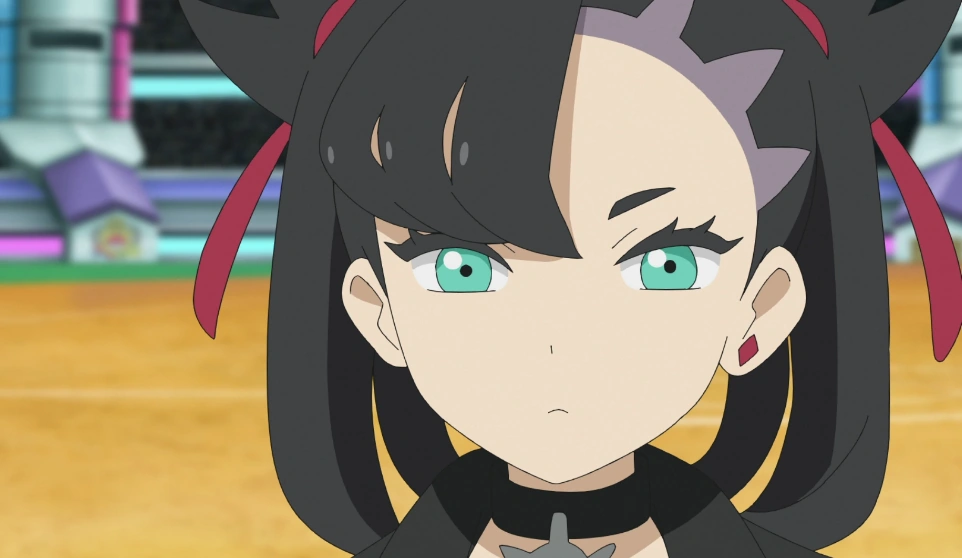
Marnie works because she avoids the usual rival stereotypes.
She is not loud, not obsessed with proving she is better than you every five minutes, and not written as comic relief. She is focused, grounded, and carried by strong visual identity plus fan-favorite attitude.
Her Spikemuth connection and Team Yell storyline also give Galar a more local, community-driven vibe that feels different from world-ending villain plots. Marnie is a reminder that Pokemon characters do not need cosmic stakes to become iconic.
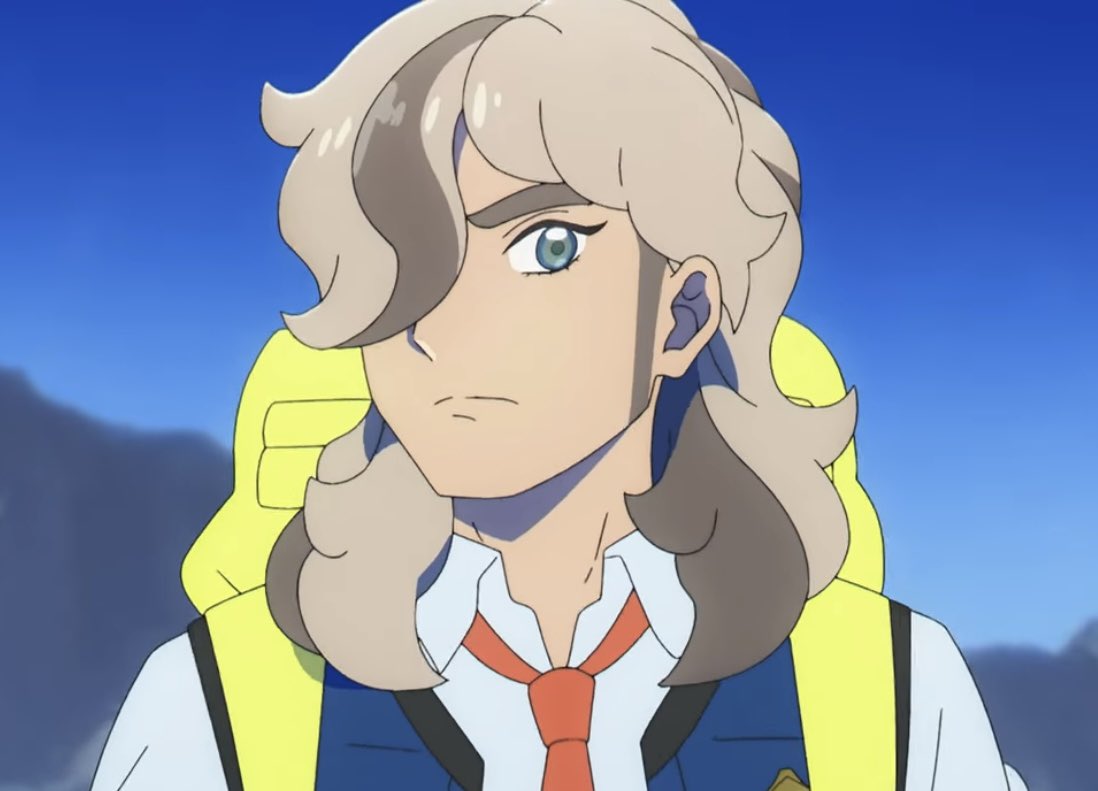
Arven is one of the best-written companion characters in mainline Pokemon.
His storyline starts as a practical quest for Herba Mystica and slowly turns into a personal, emotional arc about family, loss, and healing. By the end, his story lands harder than most expected from the franchise.
He matters because he feels human first, trainer second. Scarlet and Violet needed a character who could carry emotional weight without melodrama, and Arven delivered exactly that.
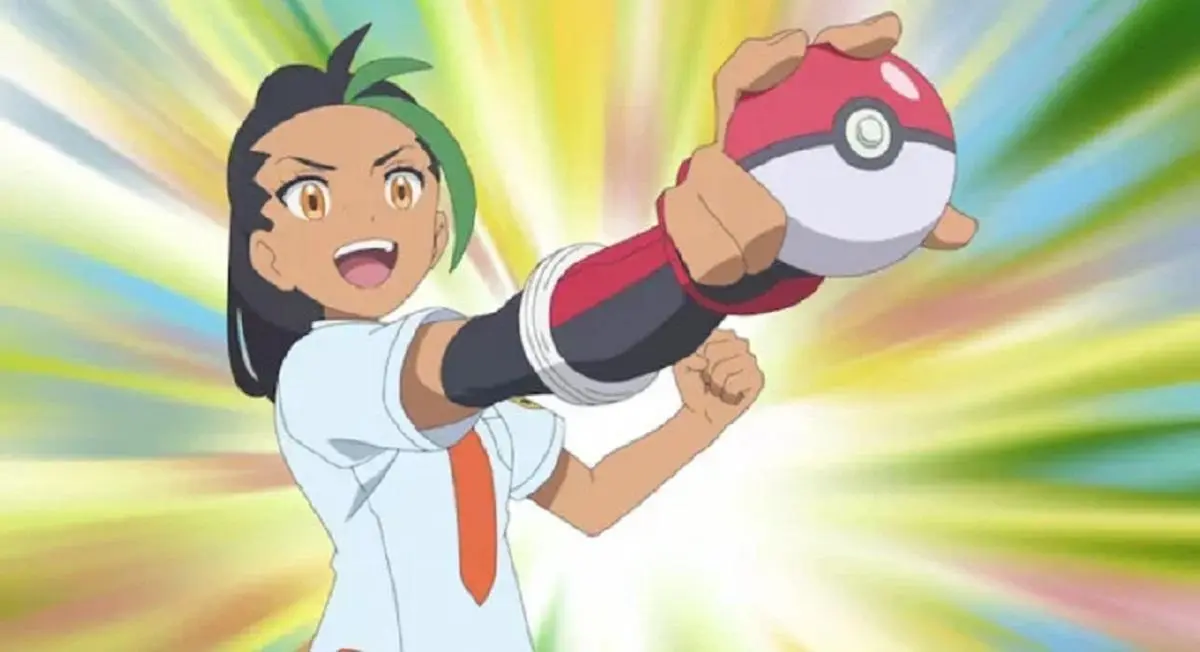
Nemona is what happens when your rival is basically a competitive player trapped in story mode.
She is energetic, supportive, and low-key terrifying once battles start. Unlike older rivals built on arrogance or hostility, Nemona is built on pure enthusiasm and real skill.
That combination makes her one of Pokemon’s strongest modern rivals. She feels like a friend who genuinely wants you to improve, then immediately proves she has six ways to punish bad team building.
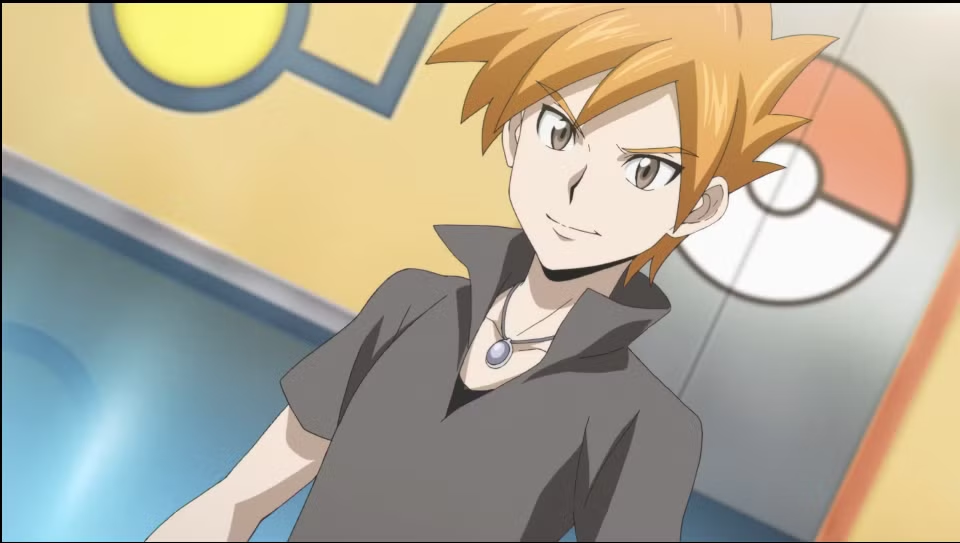
Blue is classic rival design done perfectly.
He is fast, smug, always one step ahead, and unapologetically competitive. Every early encounter with him reinforces one message: keep up or get left behind.
His champion reveal in Kanto is still one of Pokemon’s most iconic beats because it pays off the entire rivalry loop with clean, simple drama. Blue may not be the deepest character in franchise history, but in terms of pure rival legacy, he remains elite.
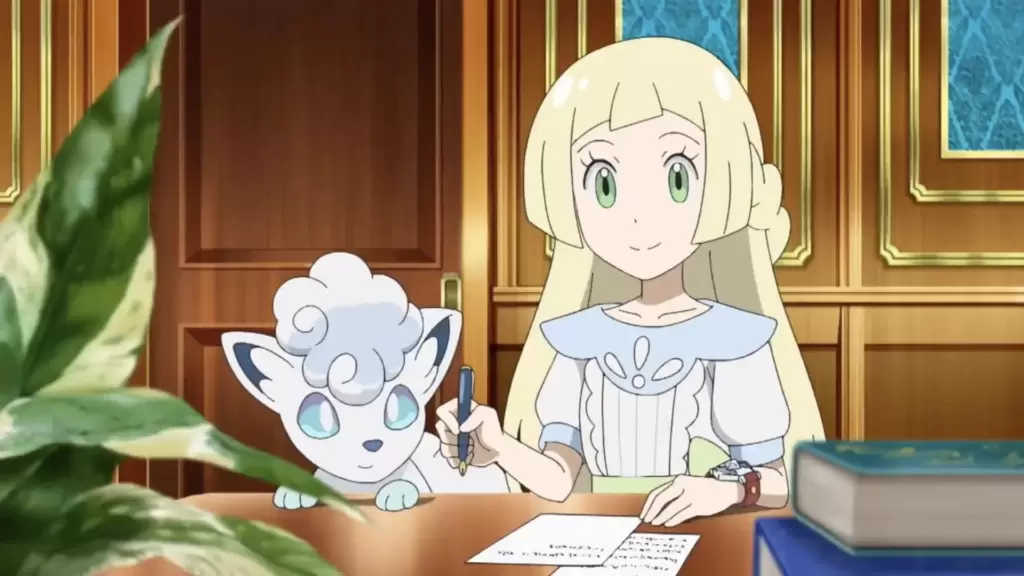
Lillie is one of the franchise’s best examples of long-form character growth.
She begins uncertain and sheltered, then gradually becomes more independent as Alola’s story escalates. Her arc with Lusamine gives Sun and Moon a personal emotional core that goes beyond the usual badge journey.
Lillie’s writing helped push Pokemon toward more character-driven storytelling in the 3DS era. She is not just memorable because of plot relevance, but because her transformation feels earned from beginning to end.
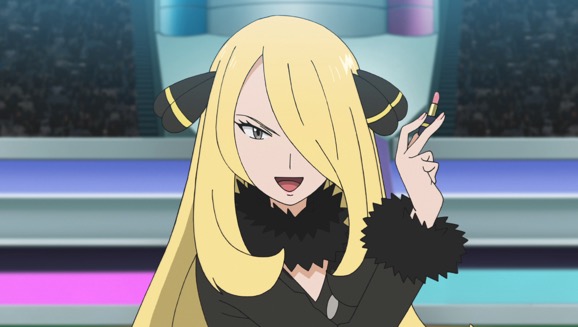
Cynthia is the complete package: lore presence, champion aura, and one of the most feared teams in series history.
She appears as knowledgeable and composed, but once the battle starts, that calm energy turns into pure strategic pressure. Her Garchomp alone became a franchise-wide trauma event.
Cynthia’s popularity lasted because she was never just “hard champion.” She felt like a meaningful figure in Sinnoh’s world, which made her final battle feel like a true narrative and mechanical climax.

N is still one of Pokemon’s most interesting characters, full stop.
He challenges the player on ethics, not just combat strength. His beliefs about Pokemon liberation, his relationship with Team Plasma, and his personal conflict with Ghetsis give Gen V exceptional narrative weight.
What makes N special is complexity. He is not purely villain, rival, or ally. He is all three at different points, and that ambiguity made Black and White feel far more ambitious than the franchise average.

Red started as the original player avatar and evolved into a legend.
His minimal dialogue made him an empty vessel at first, but later appearances transformed him into a mythic figure, especially the Mt. Silver battle. No speeches, no cutscene drama, just overwhelming presence.
Few characters in Pokemon history carry this much symbolic weight. Red represents the “ideal trainer” fantasy and the franchise’s own legacy at the same time. That is hard to top.
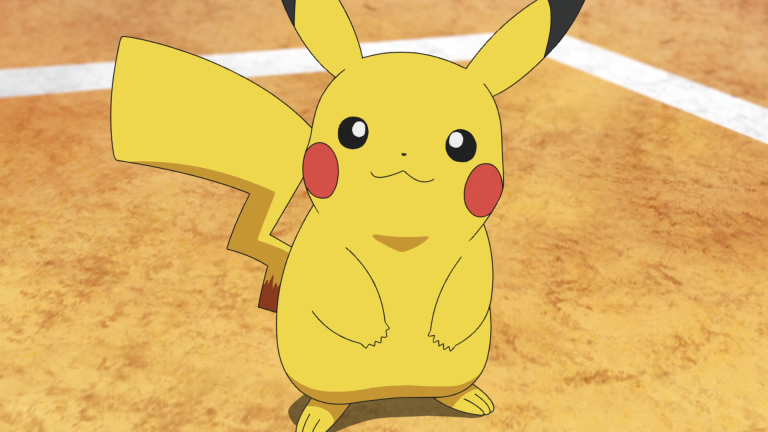
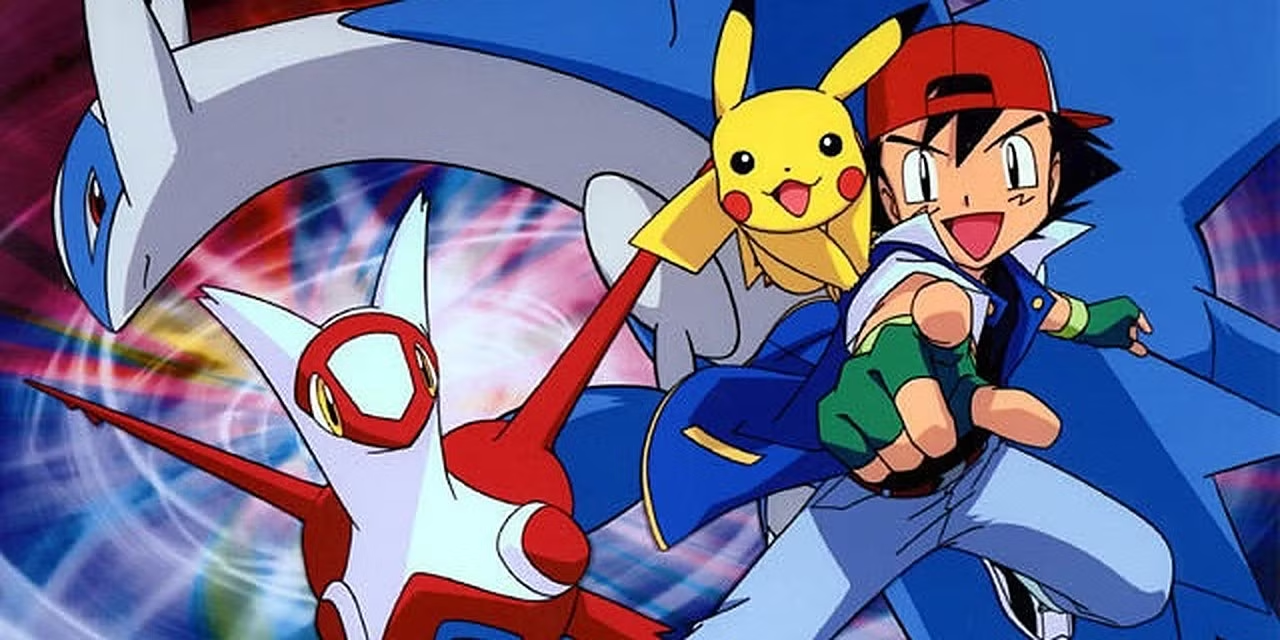
Yes, number one is Pikachu, and honestly there is no serious alternative for franchise impact.
Pikachu is brand identity, cultural icon, mascot, marketing engine, and emotional anchor all in one. Across games, anime, films, and global events, it became the face people recognize even if they never touched a Pokemon game.
Being iconic is not automatically “best character” material, but Pikachu clears both popularity and emotional connection tests. It is the character that made Pokemon universal.
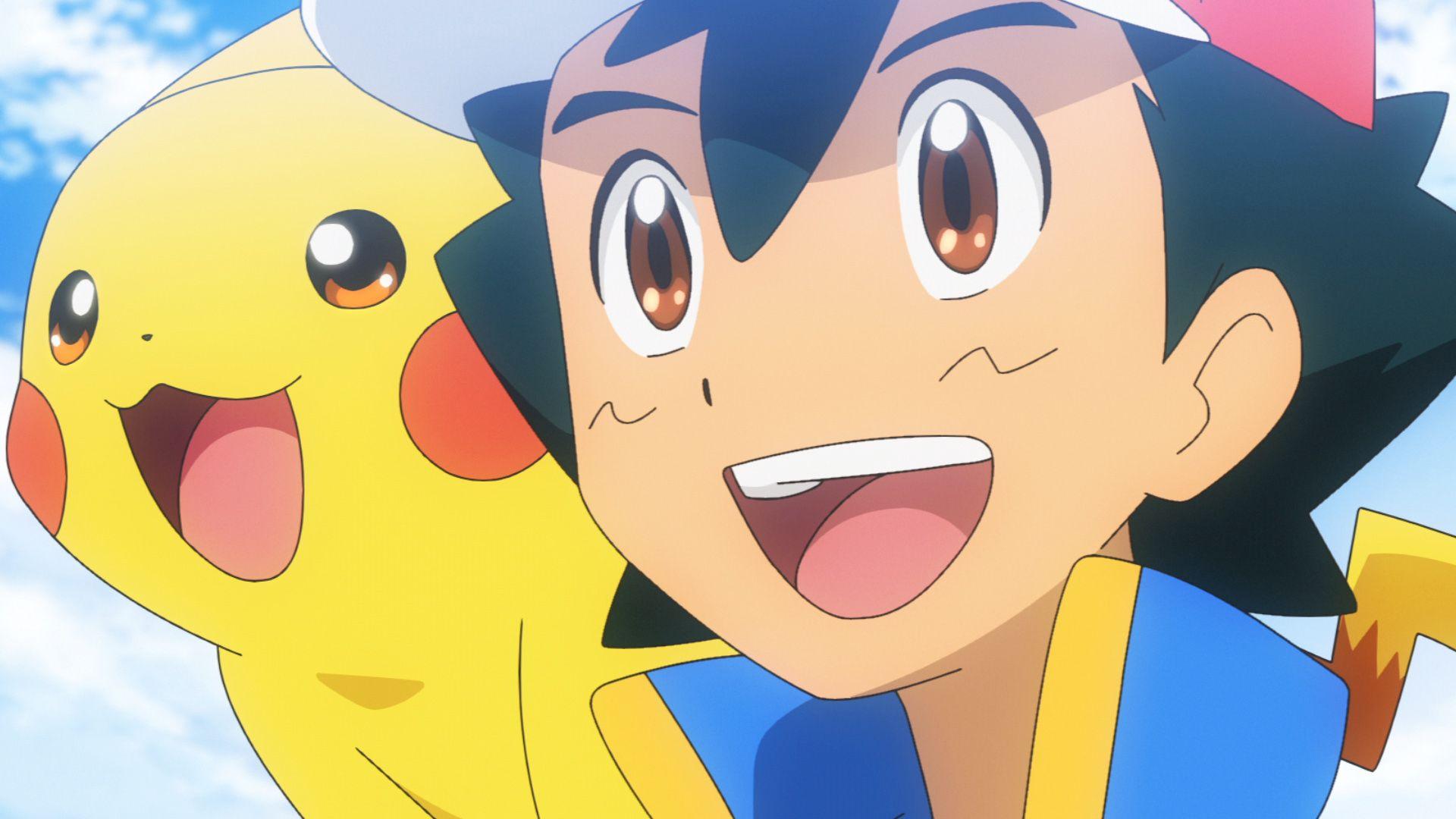
Pokemon lasts because its cast keeps evolving while staying instantly recognizable.
From legacy pillars like Red and Blue to modern standouts like Arven and Nemona, the best characters prove the franchise can still mix nostalgia with fresh writing.
And while everyone has a different top ten, one truth stays consistent: great Pokemon regions are built on great Pokemon people.
By Console Pulse Editorial Team
Editorial Team, Console Pulse
Images Credit
Official images and screenshots from Nintendo, The Pokemon Company, and Game Freak. All game-related visual assets belong to their respective copyright holders.
 SwitchNews
 SwitchGuide
 SwitchNews
 SwitchNews