
 AllMar 09, 2026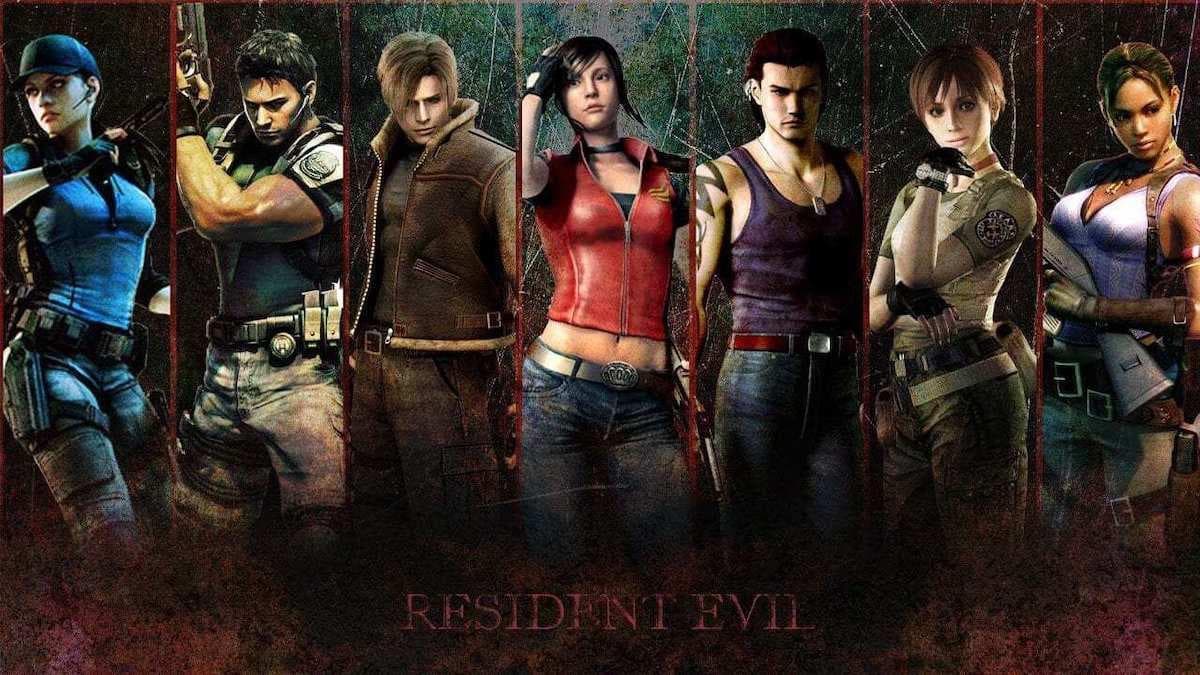
From Leon and Jill to Ethan and Claire, here are the best Resident Evil protagonists ranked by impact, gameplay legacy, and pure survival-horror endurance.
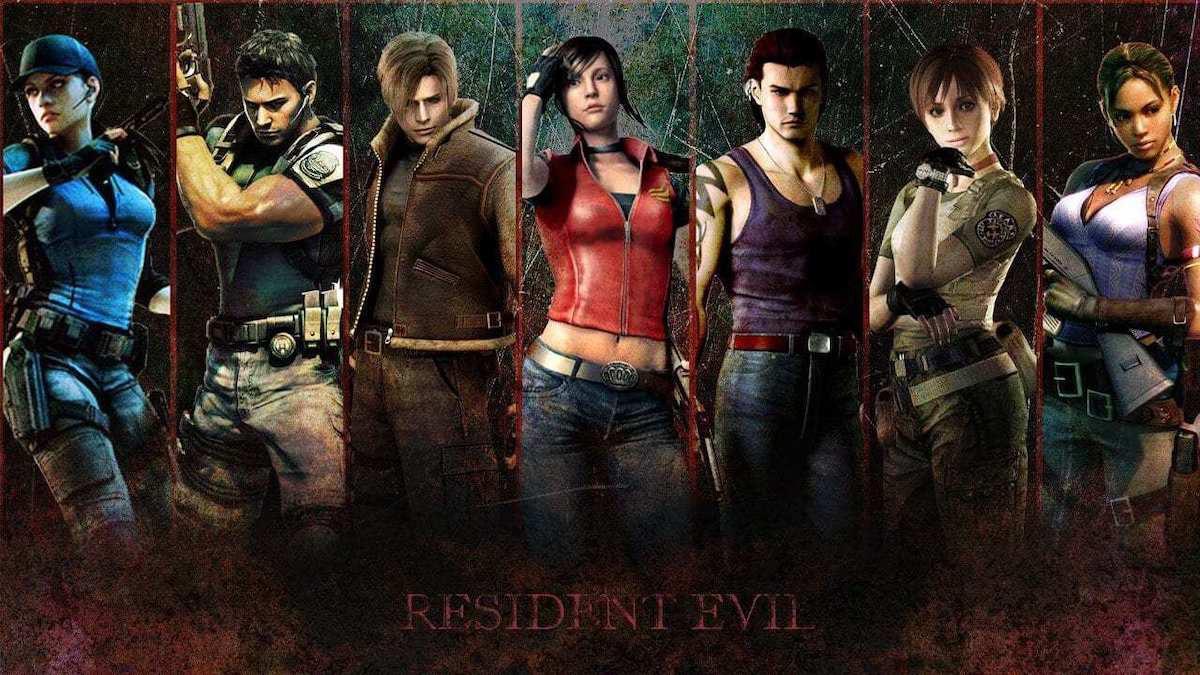
Resident Evil has given us biohazards, cult villages, corporate nightmares, and at least fifty reasons to never open suspicious doors.
But none of it works without protagonists who can carry the tension, the action, and the emotional weight of the series.
This ranking focuses on playable Resident Evil heroes and scores them by franchise impact, character legacy, and how much they shaped the series over time.
Yes, everyone here has serious trust issues.
No, therapy still has not been patched into New Game Plus.

Billy does not get as much screen time as the bigger franchise icons, but he remains one of the most memorable “one game, big impact” protagonists.
In Resident Evil 0, he gives the story a rougher edge and balances Rebecca’s inexperience with combat pragmatism. The partner-switch system works because Billy feels like real support, not just a mechanic.
He is ranked lower mostly because Capcom parked him in the narrative basement and never called him back.
Still, for one game, he delivered.
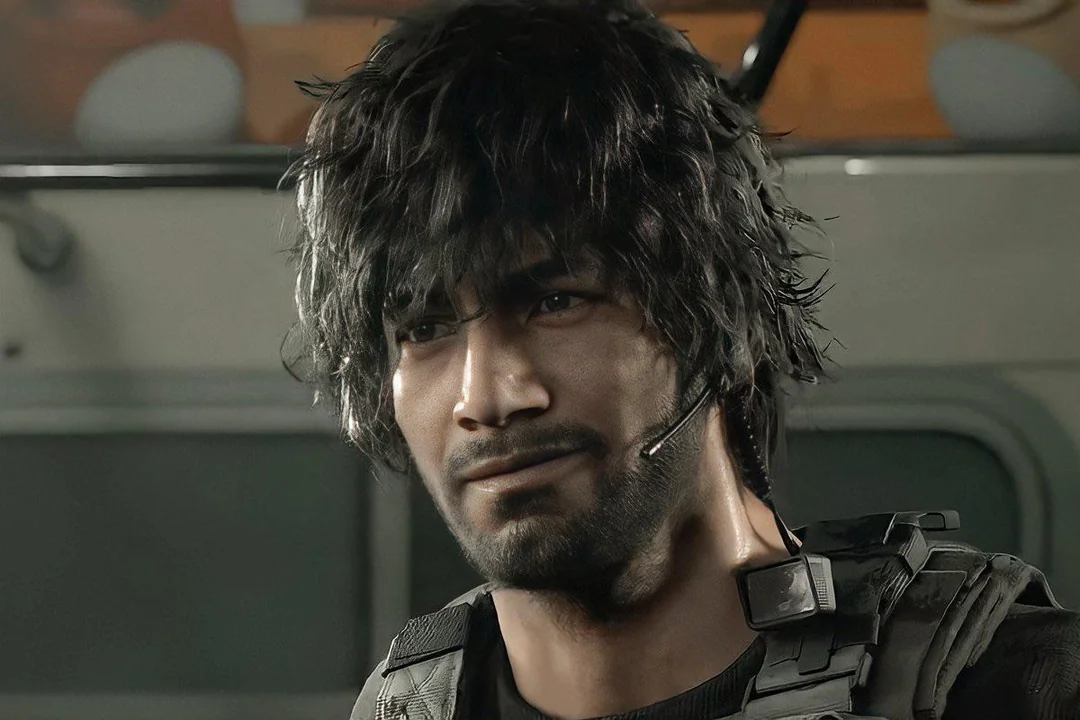
Carlos went from “solid side lead” to fan favorite thanks to the RE3 remake.
He adds charm without breaking tone, and his sections provide a different flavor of action-survival pacing compared to Jill’s relentless Nemesis pressure. More importantly, he is one of the few Umbrella-linked characters who actually reads as genuinely decent.
He may not have the series-long footprint of Leon or Chris, but his modern version is so strong he earns this spot comfortably.

Sheva is often underestimated, which is wild considering she co-headlined one of the biggest-selling Resident Evil games ever.
In RE5, she is not just “Chris’s co-op partner.” She is a capable lead with clear tactical value, strong field presence, and a grounded personality that keeps the story from drifting fully into action-camp chaos.
Her ranking would likely be higher if she returned more often in mainline entries.
Capcom, respectfully: it is time.
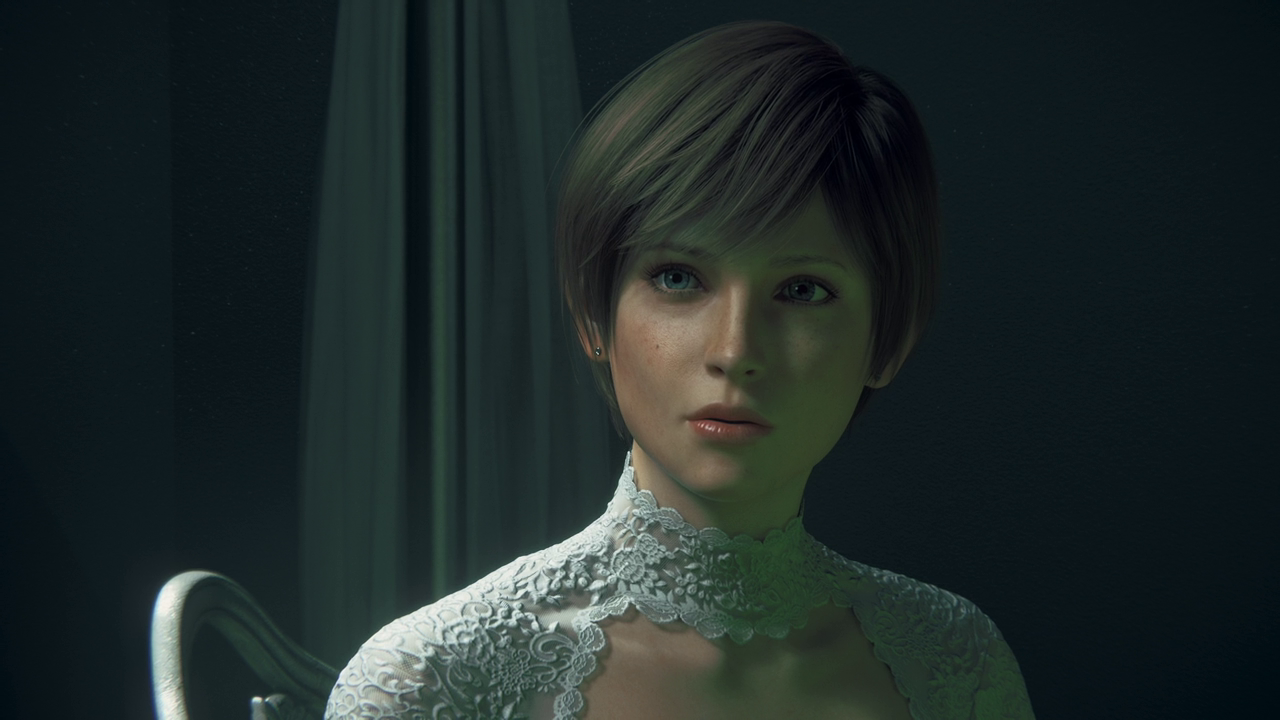
Rebecca represents a different type of Resident Evil protagonist: not the most physically dominant, but highly competent under pressure.
Between the original game and Resident Evil 0, she became a core part of the franchise’s early identity. Her medical background also helped diversify what “hero” means in a survival horror series usually solved with shotguns and stubbornness.
She is crucial to the series history, and she remains one of the characters fans consistently want back in a major playable role.
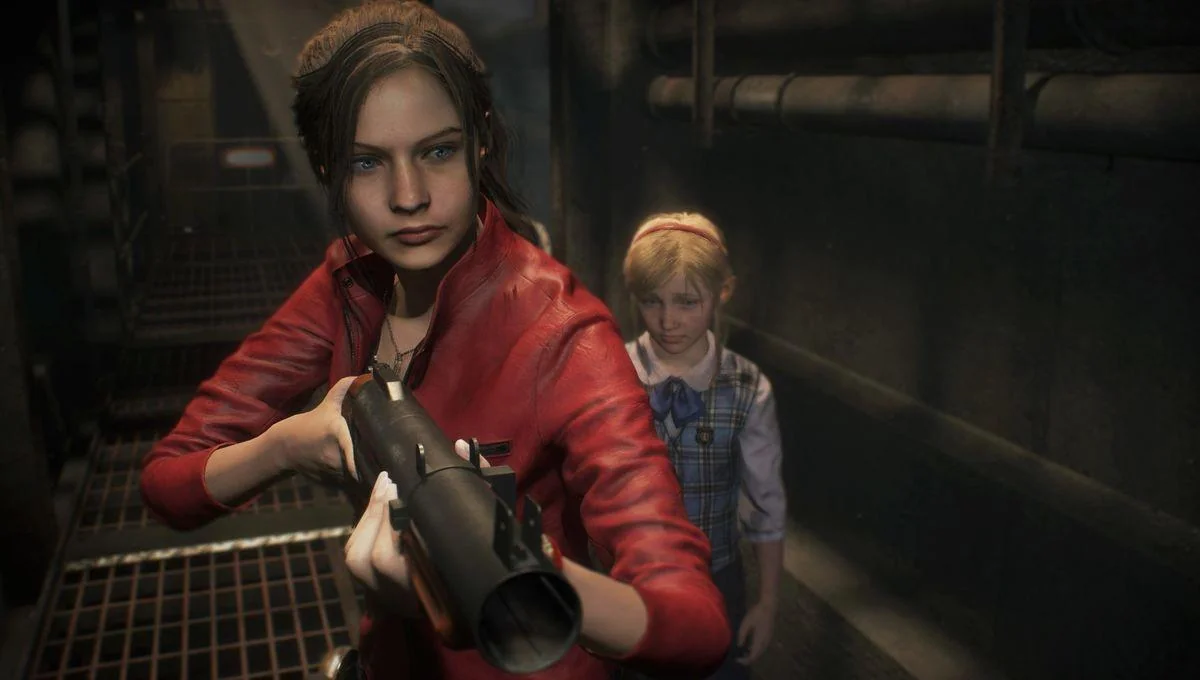
Claire has one of the strongest character identities in Resident Evil: determined, compassionate, and absolutely willing to fight through impossible situations.
From Resident Evil 2 to Code: Veronica and later entries, she consistently anchors stories with emotional stakes that feel human, not just tactical. Her campaigns balance action and vulnerability better than most protagonists in the franchise.
If this ranking were based purely on heart and narrative clarity, Claire could easily be top three.

Ethan started as “regular guy in absolute nightmare,” then evolved into a central pillar of modern Resident Evil.
RE7 made him the bridge into first-person horror, and Village gave him real emotional weight through family-driven stakes and a stronger personal arc. He is not flashy like Leon or mythic like Chris, but that is exactly why he works.
He feels closer to the player experience: confused, terrified, and somehow still moving forward with broken hands and bad decisions.
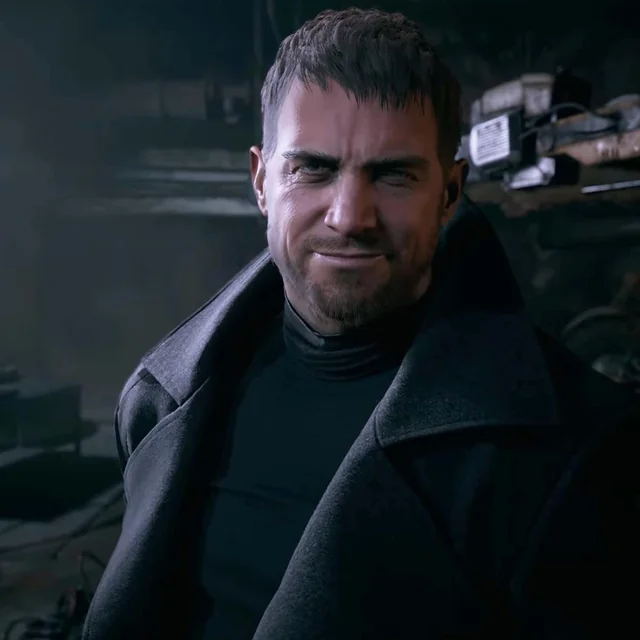
Chris is the long-haul backbone of Resident Evil.
From the mansion era to global BSAA operations, he has been central to the franchise’s expansion from isolated outbreaks to international bio-terror conflicts. He embodies the “soldier against endless escalation” theme better than anyone else.
His durability is unmatched. His boulder-punch reputation is eternal.
And somehow, he still finds new ways to look exhausted in every game.

Ada is technically a gray-zone character, but as a playable lead she absolutely qualifies for this ranking.
Her campaigns and side scenarios bring a stealthier, more surgical style to Resident Evil’s usual survival formula. Narratively, she also drives major franchise events while remaining deliberately unreadable, which is part of her lasting appeal.
Few protagonists are this cool, this useful, and this consistently one step ahead of everyone else in the room.
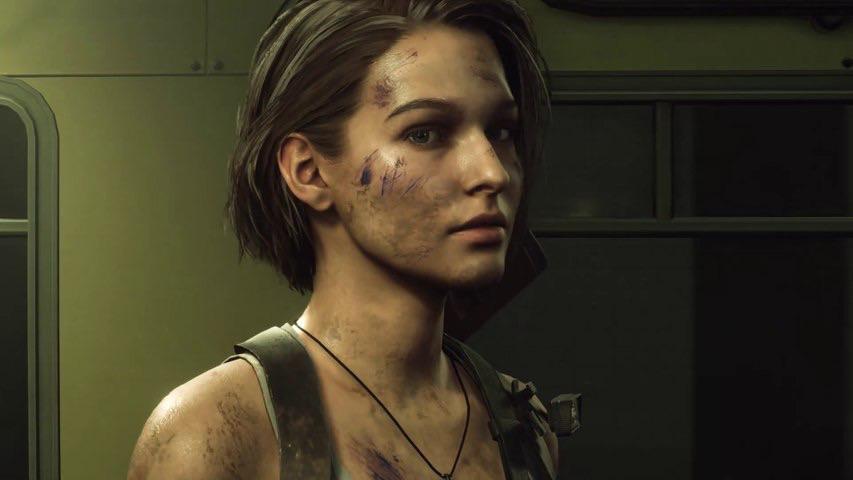
Jill is pure Resident Evil legacy.
She helped define the franchise from day one and remains one of the strongest representations of survival-horror leadership in gaming. Her mix of intelligence, composure, and sheer refusal to die under pressure makes her iconic across multiple generations of players.
Nemesis chasing Jill through Raccoon City is still one of the series’ most recognizable protagonist-vs-terror dynamics.

Leon takes first place because he combines reach, consistency, and pure franchise-defining influence.
From rookie cop in RE2 to hardened agent in RE4 and beyond, his evolution mirrors Resident Evil’s own shift from classic survival horror to action-horror hybrids and modern remakes. He is recognizable to casual players and beloved by longtime fans, which is rare air.
If Resident Evil had one default protagonist silhouette, it would be Leon holding a handgun, looking tired, and about to walk into another terrible village.

Resident Evil’s success is not just about monsters, viruses, or plot twists involving suspicious corporations.
It is about protagonists who make each era playable, memorable, and worth revisiting.
Whether you prefer Jill’s survival-horror roots, Chris’s long war, Claire’s emotional clarity, Ethan’s modern arc, or Leon being Leon, one thing is clear:
This franchise does not run out of great leads.
It just keeps finding new ways to traumatize them.
Staff Writer, Console Pulse
Images Credit
Official promotional artwork and in-game screenshots are credited to Capcom. Images are used for editorial coverage and commentary.
 AllNews
 AllNews
 AllNews
 AllGuide